


Blackleg - sudden death on cows' summer pasture
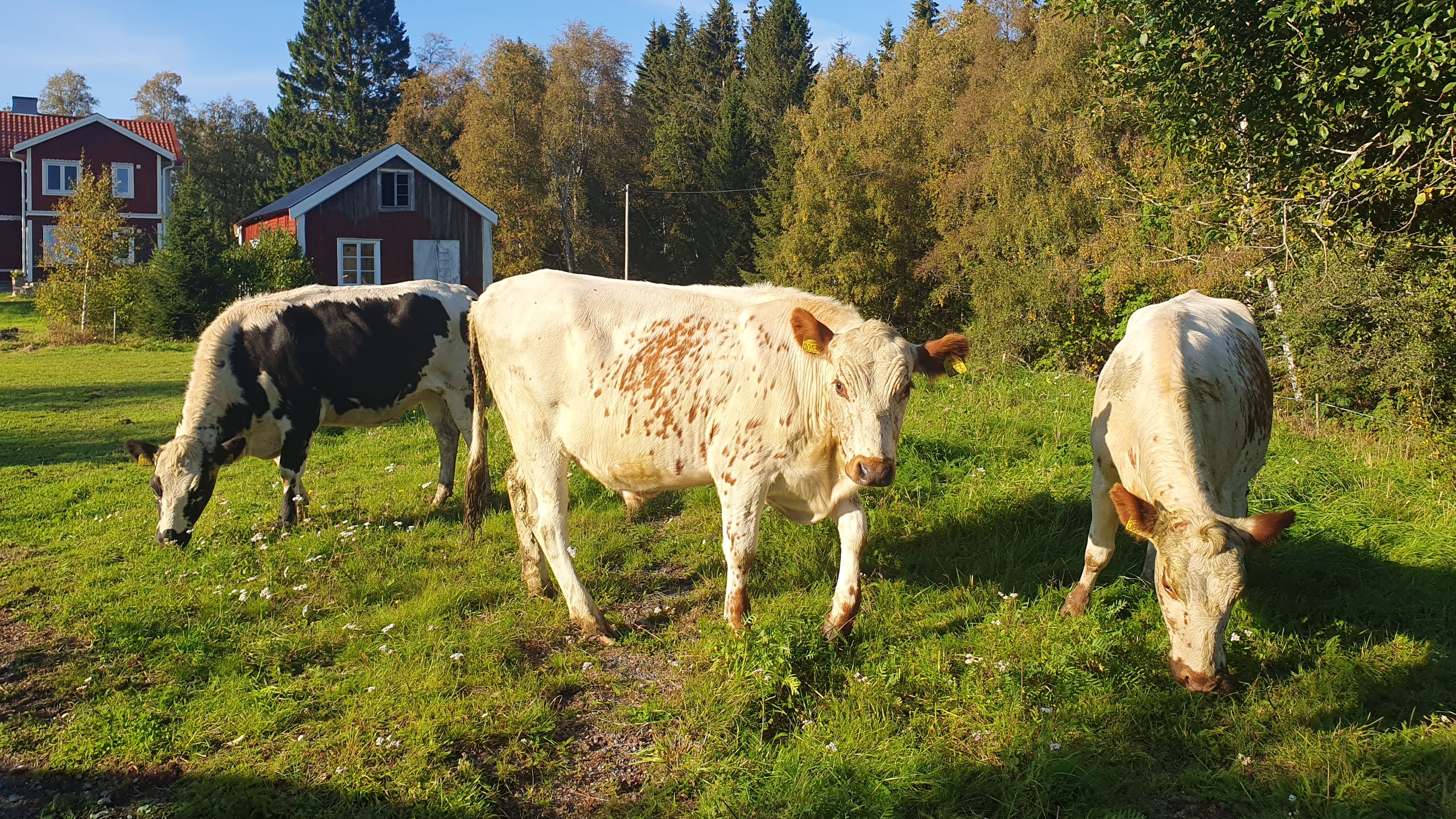
A project on increased knowledge about a mysterious and deadly disease
Every summer, SVA receives calls about dead cattle on pasture. When the diagnosis of anthrax is (most often) dismissed, blackleg is one of the most important differential diagnoses (diseases with similar symptoms) for dead cattle on pasture. Many times, the animals die without any previous symptoms and often many animals die. It is usually the young animals that die, but all ages can be affected. Once the deaths have started, it is difficult to stop them. Even though blackleg is a relatively common disease, it is still a disease where we have limited knowledge about how it should best be prevented and treated, how the infection spreads and how and when disease occurs. In addition, we have limited knowledge about how sampling and diagnostics from animals and the environment should best be done. By preventing dairy herds from being affected by blackleg, we reduce losses due to animal deaths, veterinary and pharmaceutical costs, and increased labour costs. This leads to more climate-smart production, reduced risk of antibiotic resistance development, as well as reduced costs and increased competitiveness for the dairy farmer. Reduced mortality and healthy animals also contribute to strengthening the food supply, which is beneficial from a preparedness perspective.
Aim
With this broad postdoc project, we therefore want to study the disease blackleg in Swedish dairy cow herds.
We want to:
• Investigate the prevalence of blackleg using animal disease data, autopsy reports and a questionnaire study.
• Study risk factors, symptoms and disease development with the help of autopsies and interviews/questionnaires.
• Develop the best and most cost-effective diagnostics in connection with autopsy/sampling.
• Study the spread of infection in the environment and develop diagnostics for sampling feed, water, bedding and soil.
The project, which will run for three years, is expected to lead to:
• Increased knowledge about how common blackleg is in Sweden and where the disease is found.
• Improved advice on strategies to reduce the risk of spreading infection between and within farms.
• Improved and refined diagnostics for animal and environmental samples.
The overall goal of the project is that Swedish dairy farms can continue to keep their cows and young animals on pasture without animal losses due to blackleg.
Participants
Ylva Persson, Josefine Elving and Elisabeth Bagge SVA, Sara Frosth SLU and Ulrika Rockström Farm & Animal Health