


Exploring genetic diversity and virulence variation among Saprolegnia parasitica isolates
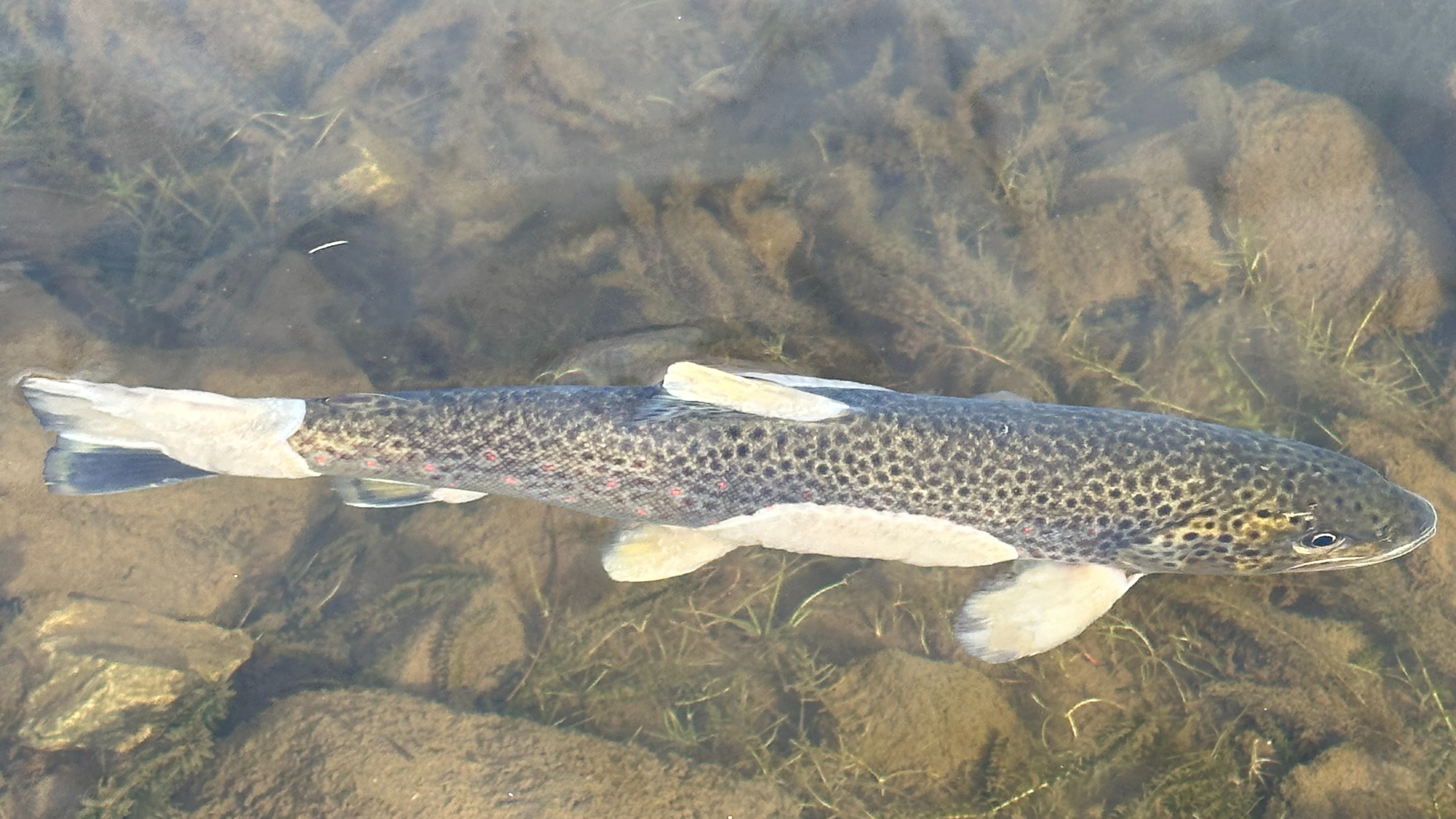
Saprolegnia parasitica is a freshwater pathogen that infects wild and farmed fish species worldwide, causing a devastating disease called saprolegniosis with particularly severe outbreaks and massive losses in salmonid aquaculture. Saprolegniosis is characterized by white or grey cotton wool-like patches that cover infected skin lesions along fish body and gills and fins. With re-emerging outbreaks and without effective treatment, saprolegniosis remains a major problem for freshwater fish health and welfare. Monitoring the pathogen genetic diversity and virulence across outbreaks is hampered due to scarce genomic data and limited diagnostic methods.
This project aims to apply long-read sequencing to generate whole-genome sequences from several S. parasitica isolates. Compared to short-read technologies, long-read sequencing achieves better resolution of repeat-rich regions and enables assembly of high-quality genomes. Such genomic resources would facilitate assessment of genetic diversity and virulence variation among isolates and contribute to development of improved molecular diagnostic tools for better monitoring of Saprolegnia infections.